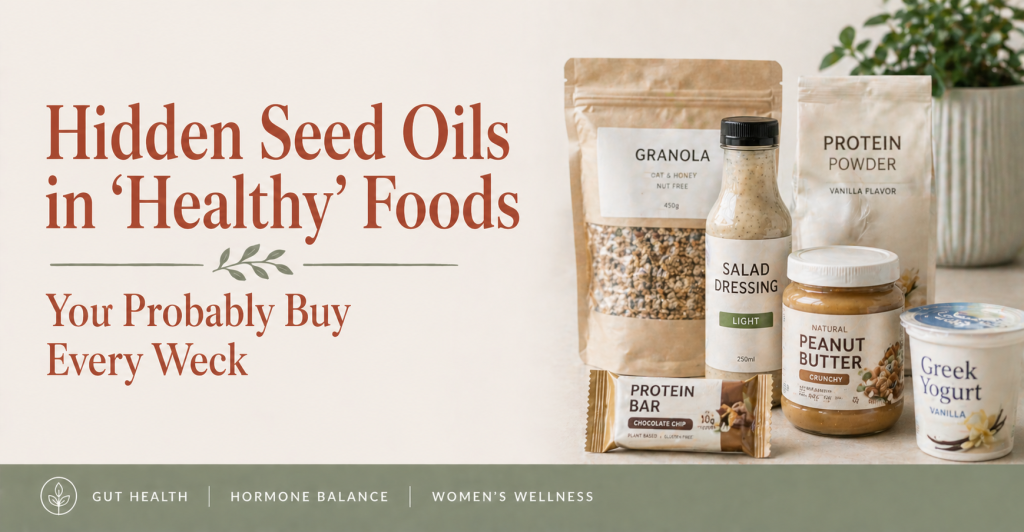
You switched to a “clean” diet. You read labels. You cook at home most of the time. You’ve already swapped your cooking oil to olive oil or butter. And you feel like you’re doing the right things.
But here’s the uncomfortable truth: if you’re buying packaged food — even from the health food aisle, even from the organic section, even from brands with wholesome-sounding names and nature imagery on the label — you are almost certainly still consuming seed oils every single day.
Not because you’ve missed something obvious. Because the food industry is exceptionally skilled at hiding them.
This article is your complete guide to where seed oils are lurking in the foods most women think are healthy choices — and what to look for on labels so you can stop being caught out.
Episode: “Seed Oils Are Hiding in Your Health Food” — Real Food Science Podcast
Key Takeaways
- Seed oils appear under at least 12 different names on ingredient labels — most people only recognise two or three
- The “healthy” food category is where seed oils hide most successfully — granola, hummus, protein bars, and plant-based products are among the worst offenders
- A single day of “clean eating” from packaged health foods can deliver as much omega-6 as a day of fast food
- You don’t need to eliminate all packaged food — you need to know which categories to check and which labels to read
- The Seed Oil-Free Pantry Shopping List takes the guesswork out of every shopping trip
Why This Matters More Than You Think
In the seed oils and menopause article we covered the mechanism: high omega-6 seed oil intake shifts your inflammatory balance, amplifies the hormonal changes of perimenopause, and directly worsens hot flashes, joint pain, bloating, and brain fog.
But many women who read that article, swap their cooking oil, and feel good about their progress are still getting a significant daily seed oil load from the packaged foods they haven’t thought to question.
A typical “healthy” day might look like this:
- Breakfast: granola with oat milk → seed oils
- Mid-morning: protein bar → seed oils
- Lunch: shop-bought hummus with crackers → seed oils in both
- Afternoon: handful of trail mix → seed oils in the roasted nuts
- Dinner: home-cooked with olive oil — clean ✓
- Dressing on the salad: shop-bought vinaigrette → seed oils
That’s five seed oil exposures before dinner despite actively trying to eat well. The cooking oil swap helped. But it addressed maybe 20% of the actual daily load.
Here’s where the other 80% is hiding.
The 12 Names Seed Oils Hide Behind
Before we get into specific foods, you need to know what you’re looking for on a label. Seed oils appear under all of the following names:
- Sunflower oil (including high-oleic sunflower oil — different fat profile but still worth knowing)
- Rapeseed oil (called canola oil in North America)
- Vegetable oil (almost always a blend of the cheapest seed oils available)
- Corn oil
- Soybean oil
- Safflower oil
- Cottonseed oil
- Grapeseed oil
- Rice bran oil
- Palm oil (different mechanism but worth noting separately)
- Blended oil or cooking oil (always a seed oil blend)
- Partially hydrogenated vegetable oil (trans fat version — rarer now but still present in some imports)
The ones that catch most people out: vegetable oil (sounds neutral, is seed oils), rapeseed oil (marketed as healthy in the UK), and high-oleic sunflower oil (sounds like olive oil, is not).
If any of these appear in the first three ingredients of a product, the seed oil content is significant. If they appear further down the list, the amount is smaller — but across a day of multiple products, it adds up.
The ‘Healthy’ Foods Most Likely to Contain Seed Oils
Granola and Muesli
Granola is one of the most reliable seed oil vehicles in the health food aisle. To get oats to clump and toast evenly, manufacturers coat them in oil before baking — and that oil is almost always sunflower or rapeseed. A 50g serving of most supermarket granolas delivers a meaningful dose of omega-6 before you’ve left the breakfast table.
What to check: the ingredients list, not the nutrition panel. “Sunflower oil,” “rapeseed oil,” or “vegetable oil” will appear near the top if it’s present.
What to use instead: plain rolled oats with your own additions — ground flaxseed, nuts, berries — or look for granolas that specifically list olive oil or coconut oil as the fat source. They exist, but you have to look.
Hummus
Shop-bought hummus almost universally contains sunflower oil or rapeseed oil as an ingredient, often in addition to (or instead of) the olive oil that appears on the front of the packet. The “made with olive oil” claim on the label can be technically accurate while sunflower oil remains the primary fat by volume.
Check the ingredients list specifically. If sunflower or rapeseed oil appears before olive oil, or if olive oil doesn’t appear at all, it’s a seed oil product regardless of the branding.
What to do: make your own (chickpeas, tahini, lemon, garlic, a generous pour of good olive oil — ten minutes) or buy from delis and independent producers who make it traditionally. Several supermarket own-brand hummus products have moved to olive oil only — they exist, they’re affordable, and they taste better.
Protein Bars and Energy Bars
This category is one of the most concentrated sources of hidden seed oils in the health food market. Sunflower oil, rice bran oil, and palm oil appear in the majority of protein bars, including those marketed as paleo, clean, natural, or gut-friendly.
The irony is significant: women in perimenopause who are trying to eat more protein and fewer processed foods reach for protein bars as a health choice — and end up with a product that often has a worse seed oil profile than a packet of crisps.
Check the ingredients of your current protein bar against the list above. If you find a seed oil in the first five ingredients, it is a meaningful daily source worth replacing.
Better alternatives: a small handful of mixed nuts, two squares of dark chocolate with a few walnuts, Greek yoghurt, a boiled egg, or a smear of nut butter on an oatcake made without seed oils.
Salad Dressings and Vinaigrettes
Shop-bought salad dressings are almost universally made with seed oils. Rapeseed, sunflower, and soybean oil are cheaper than olive oil and have a more neutral flavour that doesn’t interfere with other ingredients — which is exactly why manufacturers use them.
This matters more than it might seem, because the dressing is applied to raw vegetables — meaning the omega-6 load is delivered directly alongside the fat-soluble vitamins and polyphenols in your salad that require dietary fat for absorption. You’re washing your anti-inflammatory vegetables down with a pro-inflammatory dressing.
The fix is genuinely one of the easiest in this entire list: a simple homemade dressing of extra virgin olive oil, lemon juice or apple cider vinegar, a teaspoon of Dijon mustard, and a pinch of salt takes thirty seconds. Make a jar on Sunday and it keeps all week.
Mayonnaise and Sandwich Spreads
Most supermarket mayonnaise — including brands marketed as free-range, organic, or “light” — is made with rapeseed or sunflower oil. The eggs are from happy chickens. The oil is doing the damage.
Avocado oil mayonnaise exists and is genuinely a good swap. It’s more expensive but a jar lasts weeks. Alternatively, full-fat Greek yoghurt with a squeeze of lemon and a pinch of salt works as a substitute in most applications where mayo provides creaminess rather than flavour.
Crackers and Rice Cakes
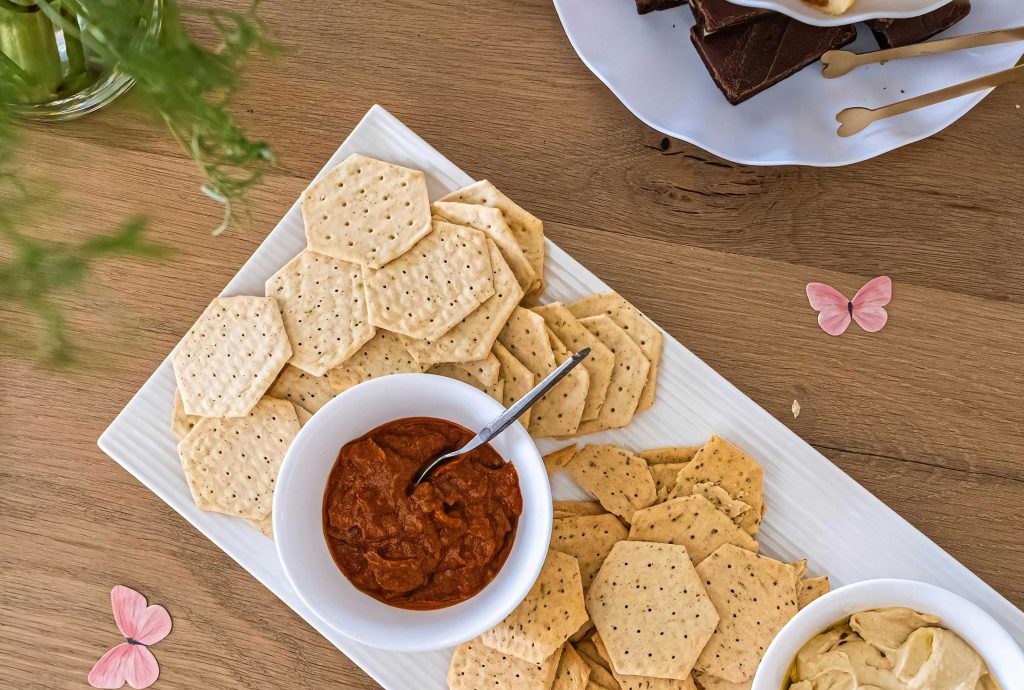
The “healthy snacking” category is heavily contaminated. Most crackers, rice cakes with flavouring, oatcakes, and corn cakes contain sunflower or rapeseed oil in the coating or seasoning. Plain oatcakes made with only oats, water, and salt are the exception — they exist and are widely available — but once any flavouring, seasoning, or glaze is added, seed oils almost always come with it.
Check the label of whatever crackers currently live in your cupboard. Plain water crackers, plain oatcakes (not the flavoured varieties), and rye crispbreads made with only rye, water, and salt are your seed-oil-free options in this category.
Shop-Bought Pesto and Pasta Sauces
Pesto is traditionally made with olive oil. Shop-bought pesto is typically made with sunflower oil, with olive oil added in small amounts for flavour and marketing purposes. Even “premium” supermarket pestos usually list sunflower oil first.
The same applies to most jarred pasta sauces, antipasti products, and olive-based spreads: the brine or oil they’re packed in is often a seed oil blend rather than the olive oil the front label implies.
What to look for: ingredient lists where olive oil is the only oil listed, with no sunflower, rapeseed, or vegetable oil present. These products exist — they’re worth finding and sticking with.
Plant-Based and Vegan Products
This category is worth highlighting specifically because women who eat plant-based diets for health reasons are often the most surprised to find seed oils throughout their food. Plant-based milks (particularly flavoured or barista versions), vegan cheeses, plant-based meat alternatives, dairy-free yoghurts, and vegan spreads all frequently contain sunflower oil, rapeseed oil, or coconut oil as primary fats.
Coconut oil is the one exception in this list worth knowing about: its fatty acid profile is predominantly saturated fat, meaning it doesn’t contribute to the omega-6 overload in the way other seed oils do. It’s not inherently pro-inflammatory in the way sunflower or rapeseed oil is — though it has its own nutritional debates.
Roasted Nuts and Trail Mix
Raw nuts are excellent — high in healthy fats, anti-inflammatory polyphenols, and fibre. Roasted nuts are where it gets complicated. Most commercially roasted nuts are roasted in sunflower or rapeseed oil. The nut itself is nutritious; the coating undoes part of that benefit.
Look for nuts roasted in their own oils (the label will say “dry roasted”) or simply buy raw nuts and roast them yourself at 160°C for 10–12 minutes. This is one of those swaps that costs no extra money — dry roasted nuts are no more expensive than oil-roasted.
“Free From” and Allergy-Friendly Products
Gluten-free bread, dairy-free products, and allergy-friendly packaged foods are among the heaviest users of seed oils in the entire food market. Removing gluten or dairy from a product changes its texture and structure — and manufacturers compensate with emulsifiers, stabilisers, and seed oils to restore the mouthfeel and shelf life that the original ingredient provided.
If you eat gluten-free or dairy-free products for health reasons, checking labels in this category is particularly worthwhile.
The Label Reading System That Takes 10 Seconds
You don’t need to read every word on every label. Use this system:
Step 1: Flip to the ingredients list — not the nutritional panel.
Step 2: Scan the first five ingredients for any of the 12 names listed above.
Step 3: If a seed oil appears in the first three ingredients, it’s a significant source. If it appears in ingredients 4–8, it’s present but in smaller amounts. If it appears only near the end of a long list, the amount is likely minimal.
Step 4: If it contains a seed oil and you buy it regularly, look for an alternative version without it or make your own.
That’s it. Ten seconds per product, done once, and you’ve identified the main sources in your diet.
The Products Worth Seeking Out
A seed-oil-free version exists for almost everything in the list above. It may require trying a different brand, buying from a different section of the supermarket, or occasionally making something yourself. Here’s the shortlist of what to look for:
- Granola: Look for versions listing coconut oil or made without any added oil
- Hummus: Delis, independent brands, or homemade
- Crackers: Plain oatcakes, plain rye crispbreads, water crackers
- Mayonnaise: Avocado oil mayo (Primal Kitchen is widely available)
- Salad dressing: Homemade olive oil dressing — thirty seconds, keeps a week
- Pesto: Brands listing only olive oil, no sunflower or rapeseed
- Roasted nuts: Dry roasted only, or raw
The Seed Oil-Free Pantry Shopping List below takes all of this further — it covers every category in your cupboard with specific product guidance so you can complete a full pantry audit and restock in a single shop.
Free Resource: Start With Your Bloat Triggers
Before you overhaul your pantry, it helps to know which inflammatory inputs are most likely driving your specific symptoms.
→ Download the free Menopause Bloat Trigger Checklist — a five-minute checklist that identifies your personal food and lifestyle triggers so you know exactly where to focus first.
Ready to Clear Your Pantry in One Shop?
The Seed Oil-Free Pantry Shopping List gives you a complete category-by-category guide to every product worth keeping, every product worth replacing, and specific alternatives for each one — including budget-friendly options so this doesn’t become an expensive overhaul.
One download. One shop. A pantry that’s working for your inflammatory health rather than against it.
FAQ
Is high-oleic sunflower oil the same as regular sunflower oil? Not exactly. High-oleic sunflower oil has been bred to contain more oleic acid (a monounsaturated fat, similar to olive oil) and less linoleic acid (omega-6) than regular sunflower oil. Its inflammatory profile is therefore less concerning than standard sunflower oil. However, it is still a refined, processed oil and doesn’t offer the polyphenol benefits of extra virgin olive oil. It’s a better choice than standard sunflower oil if you encounter it, but not equivalent to olive oil or butter.
What about cold-pressed rapeseed oil — is that different? Cold-pressed rapeseed oil retains more of its natural polyphenols and has a better nutrient profile than refined rapeseed oil. Its omega-6 to omega-3 ratio is still around 2:1, which is considerably better than regular sunflower oil. If you’re choosing between cold-pressed rapeseed and standard vegetable oil in a product, cold-pressed is the better option. But extra virgin olive oil remains the gold standard for everyday cooking.
I eat out a lot — does this mean every restaurant meal is a problem? Restaurants use seed oils almost universally because they’re inexpensive in bulk. This is not a reason to stop eating out — it’s a reason to apply the 80/20 principle. If your home cooking and packaged food choices are seed-oil-free 80% of the time, restaurant meals twice a week are not going to maintain a damaging inflammatory load. Consistency at home is what moves the needle.
My children eat these products — should I be worried? The omega-6 overload concern is specifically about chronic, daily excess — not occasional exposure. Children eating granola or hummus occasionally are not in the same risk category as adults consuming high-omega-6 products as daily staples for years. That said, building habits of checking labels and preferring whole food options is valuable for the whole family. This doesn’t need to be a source of anxiety.
Are seed oils in skincare and cosmetics a concern too? Topically applied seed oils are absorbed through the skin in small amounts. The research on whether this contributes meaningfully to systemic omega-6 levels is limited and mixed. Your dietary intake is by far the more significant variable. Improving your food sources of omega-6 is a much higher priority than auditing your moisturiser.
Sources
- Simopoulos, A.P. (2016). An increase in the omega-6/omega-3 fatty acid ratio increases the risk for obesity. Nutrients, 8(3), 128.
- Blasbalg, T.L. et al. (2011). Changes in consumption of omega-3 and omega-6 fatty acids in the United States during the 20th century. American Journal of Clinical Nutrition, 93(5).
- Calder, P.C. (2015). Functional roles of fatty acids and their effects on human health. Journal of Parenteral and Enteral Nutrition, 39(1 Suppl).
- Spreadbury, I. (2012). Comparison with ancestral diets suggests dense acellular carbohydrates promote an inflammatory microbiota. Diabetes, Metabolic Syndrome and Obesity, 5.
- Ramsden, C.E. et al. (2013). Use of dietary linoleic acid for secondary prevention of coronary heart disease. British Medical Journal, 346.
Related Articles
- Why Seed Oils Are Secretly Making Your Menopause Symptoms Worse
- The Gut-Hormone Connection: How Your Microbiome Shapes Menopause
- What Actually Happens to Your Body on a 30-Day Anti-Inflammatory Diet